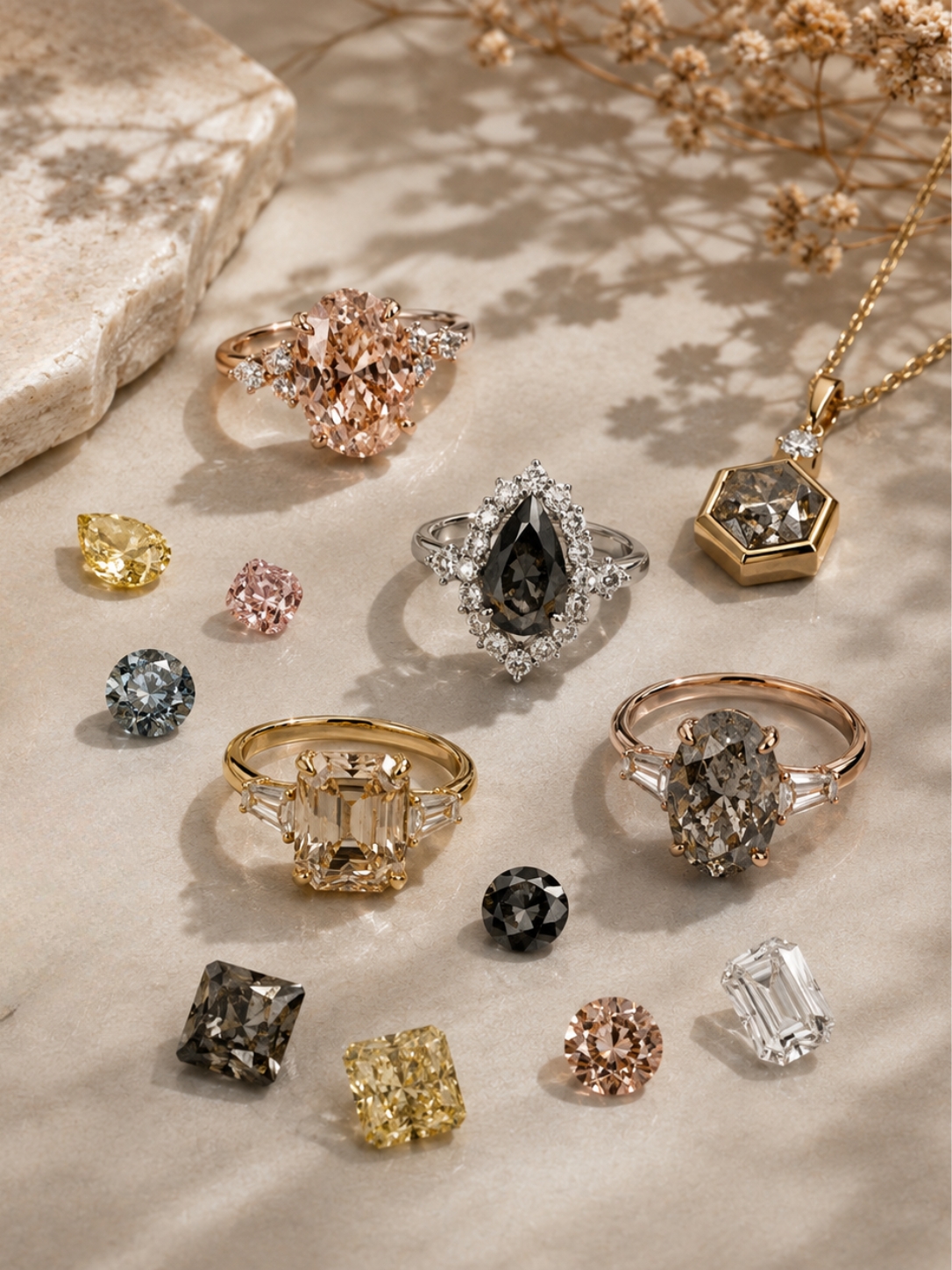


Quick answer: A salt and pepper diamond is a natural diamond with heavy, visible inclusions that create a speckled, galaxy-like pattern. The salt and pepper diamond meaning centers on individuality and imperfection as beauty, which is why couples increasingly choose them over flawless white diamonds for engagement rings.
Every diamond grader learns the same rule first: fewer inclusions, higher grade, higher price. Salt and pepper diamonds break that rule on purpose. They’re judged on a different scale entirely, one that rewards the very marks a traditional grading report would count against a stone. That shift explains the salt and pepper diamond meaning, and why a stone once tossed aside by cutters is now the centerpiece of engagement rings across independent studios and major bridal lines alike.
This guide covers what a salt and pepper diamond actually is, where its pattern comes from, and why so many modern couples are picking one over a flawless white stone.
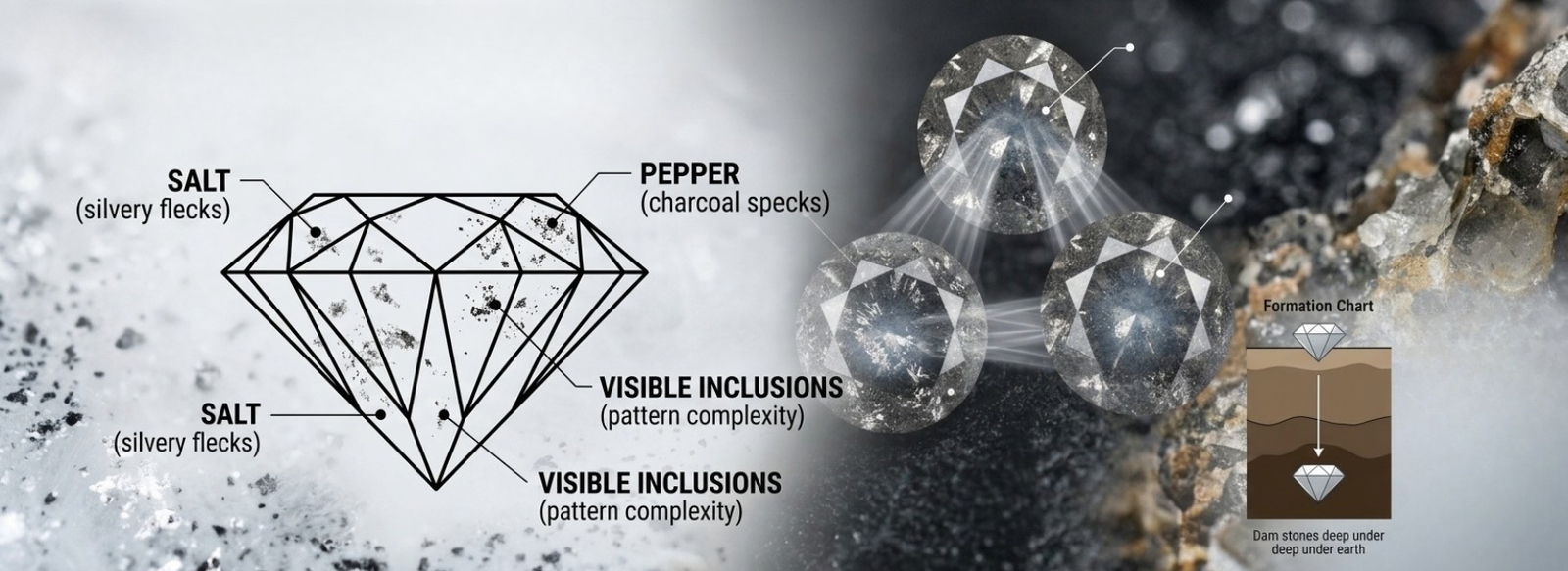
Table of Contents
What Is a Salt and Pepper Diamond, Exactly
A salt and pepper diamond is a natural diamond with a heavy, visible scatter of inclusions. Jewelers call the white flecks “salt” and the dark ones “pepper,” and together they give the stone a cloudy, textured look instead of the clear, glassy finish most people picture when they hear the word diamond.
- Fully natural: formed the same way as any other diamond, under heat and pressure deep in the earth
- Graded differently: most fall between I1 and I3 on a standard clarity scale, a range that’s a selling point here rather than a flaw
- Also called: natural included diamonds, celestial diamonds, or grey diamonds depending on tone
- Priced differently: value leans more on carat size and pattern than on traditional clarity grading
“In the eyes of many, the salt and pepper diamond meaning transcends traditional diamond symbolism, standing in for the idea that beauty doesn’t require perfection.”
Common framing across salt and pepper diamond education content
Where the Speckled Pattern Actually Comes From
How Inclusions Form
Inclusions form while a diamond is still growing, one atomic layer at a time, over roughly a billion years. As carbon crystallizes underground, nearby minerals and gases sometimes get pulled into the structure instead of staying separate. Those trapped particles become the white and black specks visible once the stone is cut and polished. The Gemological Institute of America (GIA) classifies these as clarity characteristics, the same category used to grade every diamond, salt and pepper or not.
Natural Included Diamonds and the Grey Diamond Tone
This is why the trade groups salt and pepper stones under the wider label of natural included diamonds. Nothing about the inclusion is added or enhanced after the fact. It was there from the beginning, recorded in the stone like a fingerprint.
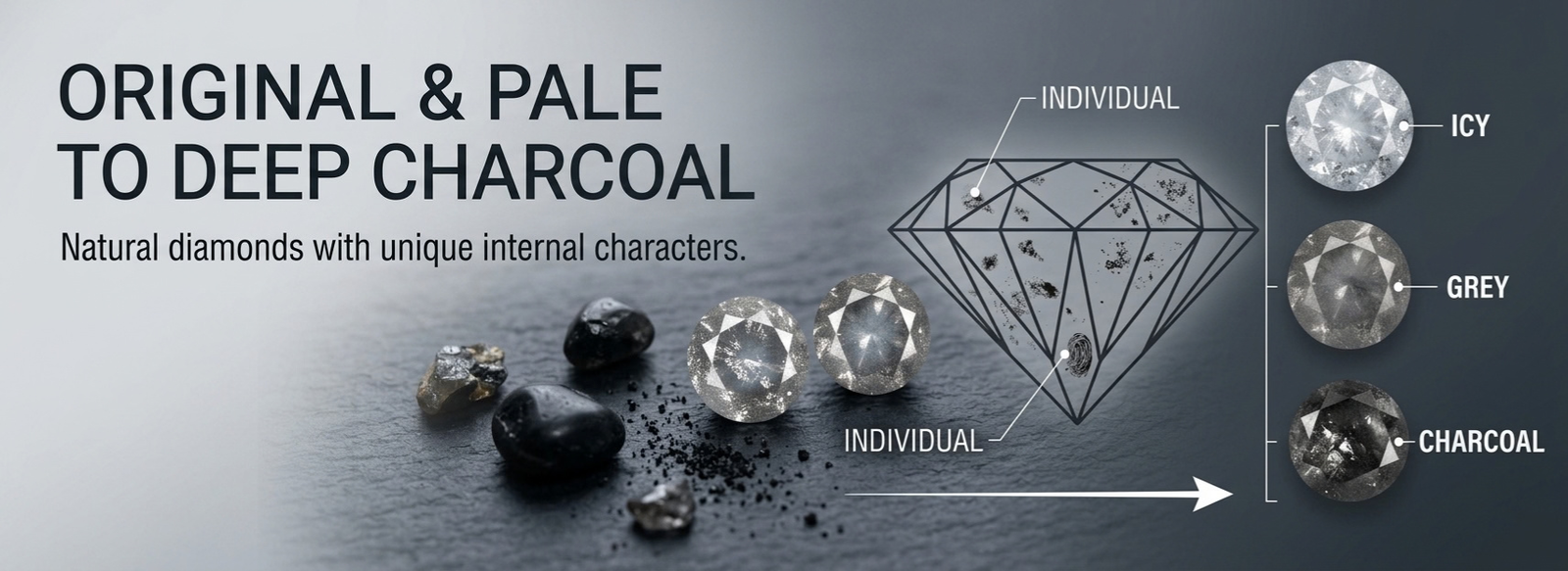
Color plays a role too. Depending on inclusion density, a stone can read anywhere from icy and pale to deep charcoal. Jewelers often describe the mid-range tone as a grey diamond, somewhere between the sparkle of a white stone and the near-black of a heavily included one. No two stones land in exactly the same place on that scale.
Why Couples Are Choosing These Over Flawless White Diamonds
A decade ago, most couples asked for the same thing: colorless, eye-clean, as close to flawless as budget allowed. That preference hasn’t disappeared, but it’s no longer the only one in the room.
Real Individuality
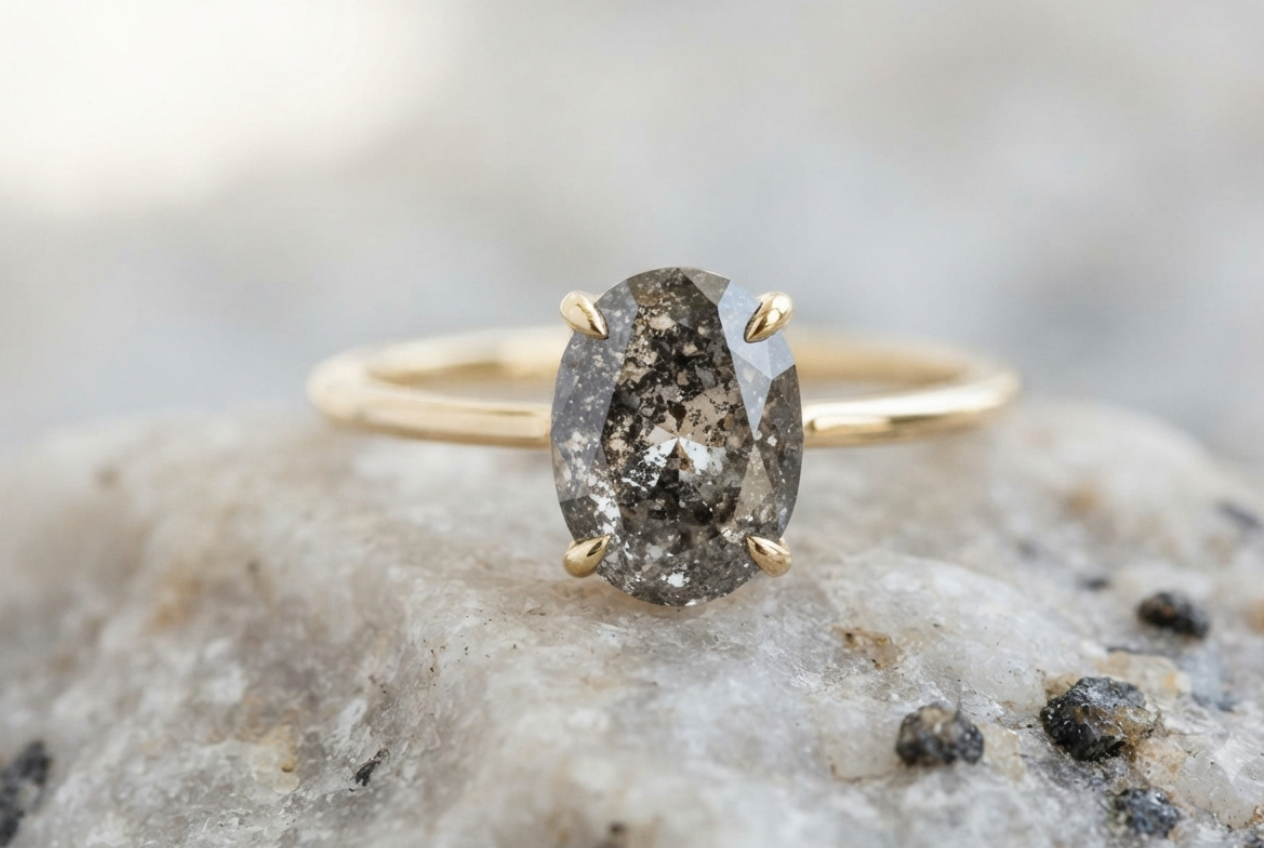
Two diamonds cut from the same rough still show different inclusion patterns once polished. A salt and pepper engagement ring isn’t picked from a catalog of identical stones.
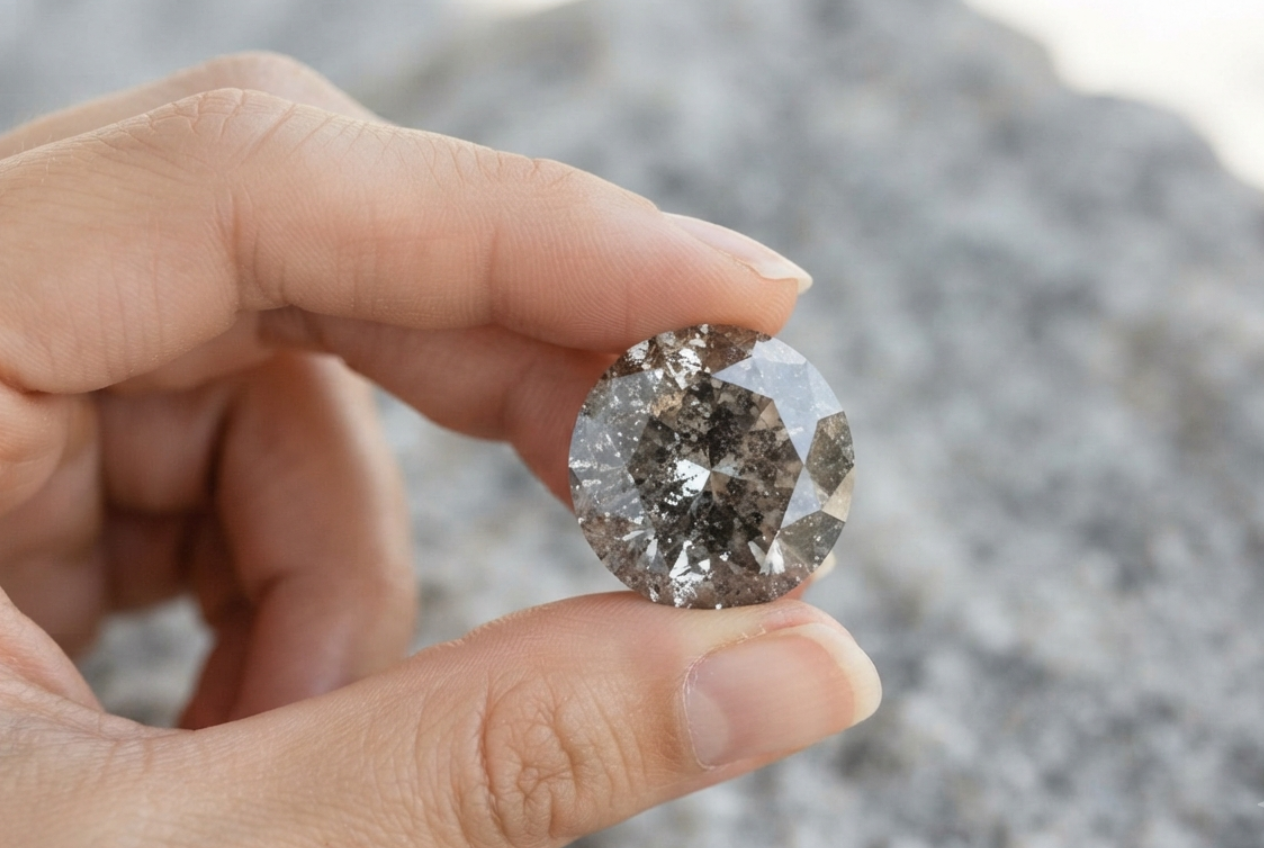
More Stone Per Dollar
Because clarity carries less weight in pricing, couples often get a larger, more dramatic diamond for the same budget that would buy a much smaller flawless one.
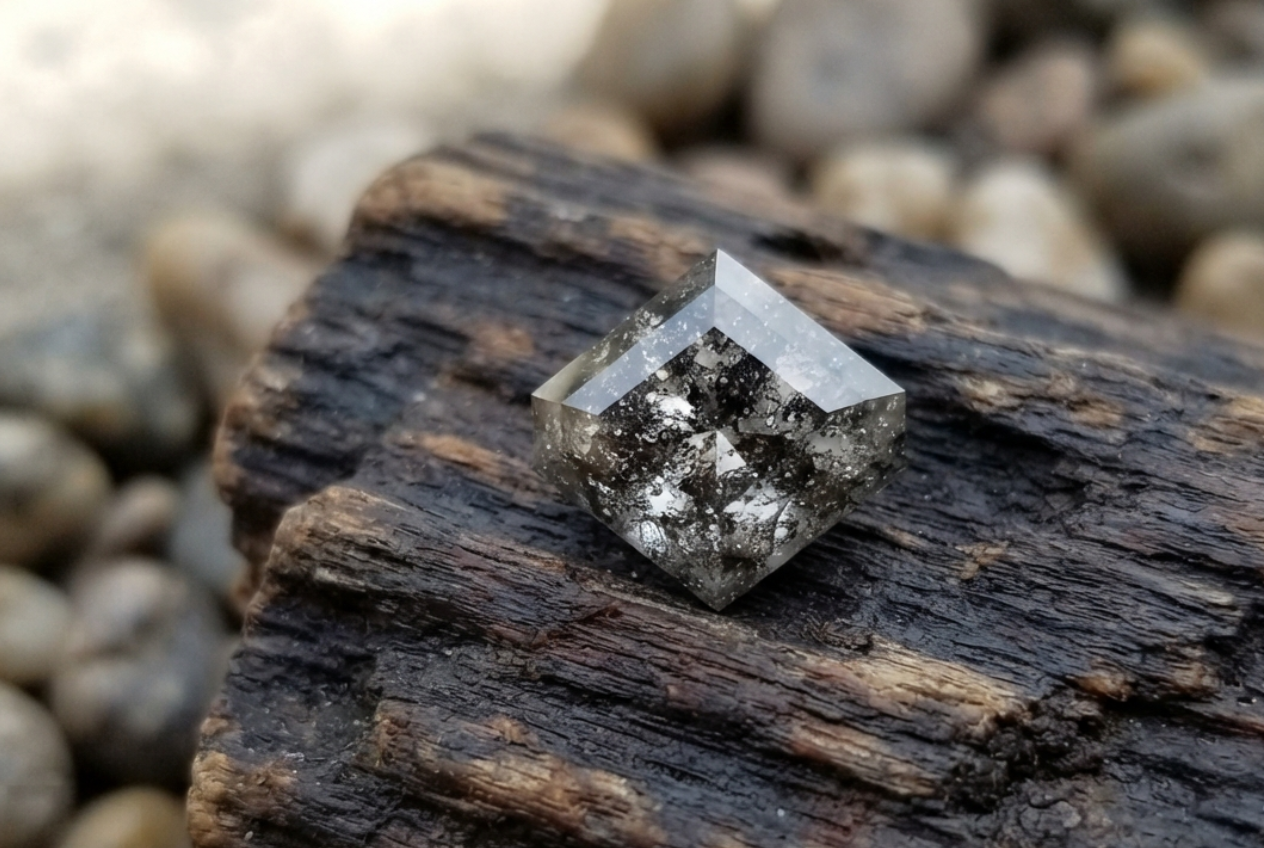
Symbolic Meaning
A stone built from visible imperfection resonates with couples who don’t want their relationship symbolized by something artificially perfect.
Salt and Pepper vs Traditional Diamonds
| Factor | Salt and Pepper Diamond | Traditional White Diamond |
|---|---|---|
| Clarity grade | Typically I1 to I3, inclusions visible to the eye | Usually VS or higher, inclusions hidden |
| Appearance | Speckled, unique to each stone | Clear, largely uniform between stones of the same grade |
| Pricing driver | Carat size and pattern | The 4Cs, with clarity weighted heavily |
| Durability (Mohs scale) | 10 | 10 |
| Best for | Buyers who want a one-of-a-kind, budget-flexible stone | Buyers who want a classic, uniform look |
How to Choose a Salt and Pepper Diamond for Your Ring
- Decide on a tone. View stones in natural light to see where they fall between icy salt-heavy and deep pepper-heavy. This is personal preference, not a grading scale.
- Prioritize cut over clarity. Since inclusions are expected to be visible, a strong cut is what makes the stone sparkle despite them. Ask to see how it catches light before buying.
- Pick a setting that protects the stone. Salt and pepper diamonds often sit in bezel or multi-prong settings, since heavier inclusion patterns can occasionally affect structural weak points.
- Confirm it’s natural. Ask for documentation confirming the stone is a natural, mined diamond rather than lab-grown or a simulant like moissanite.
Common Questions About Salt and Pepper Diamonds
Are salt and pepper diamonds real diamonds?
Yes. They’re mined and formed exactly like white diamonds, just with more visible internal character.
Are they less durable because of the inclusions?
No. Hardness stays the same across all natural diamonds, at a 10 on the Mohs scale, inclusions or not.
Will every salt and pepper diamond look different?
Almost always. That’s the appeal for most buyers, not a downside to work around.
For more detail on grading, cut styles, and pricing, see our full guide to choosing the right salt and pepper diamond for your ring.
Explore the Collection
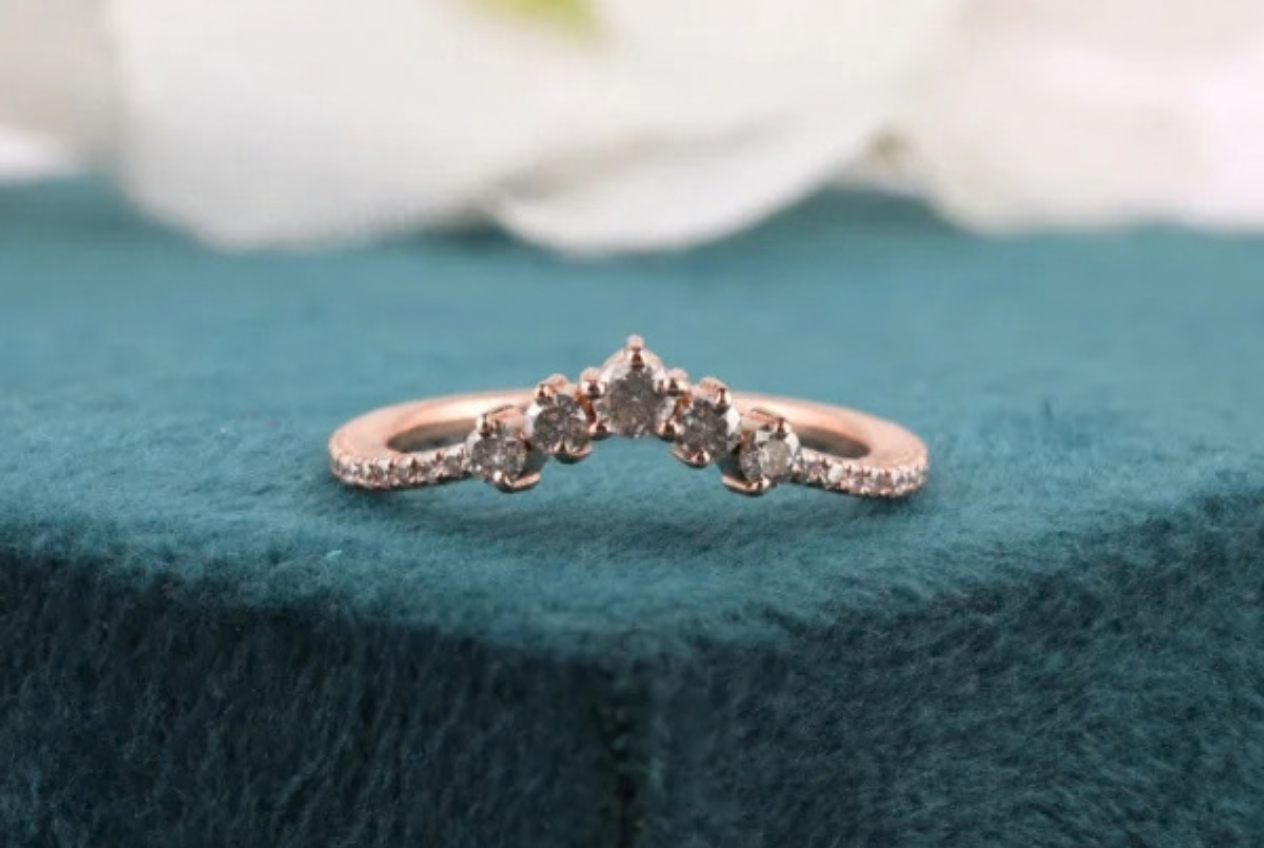
Orbit Ring
Round cut, charcoal-toned pattern
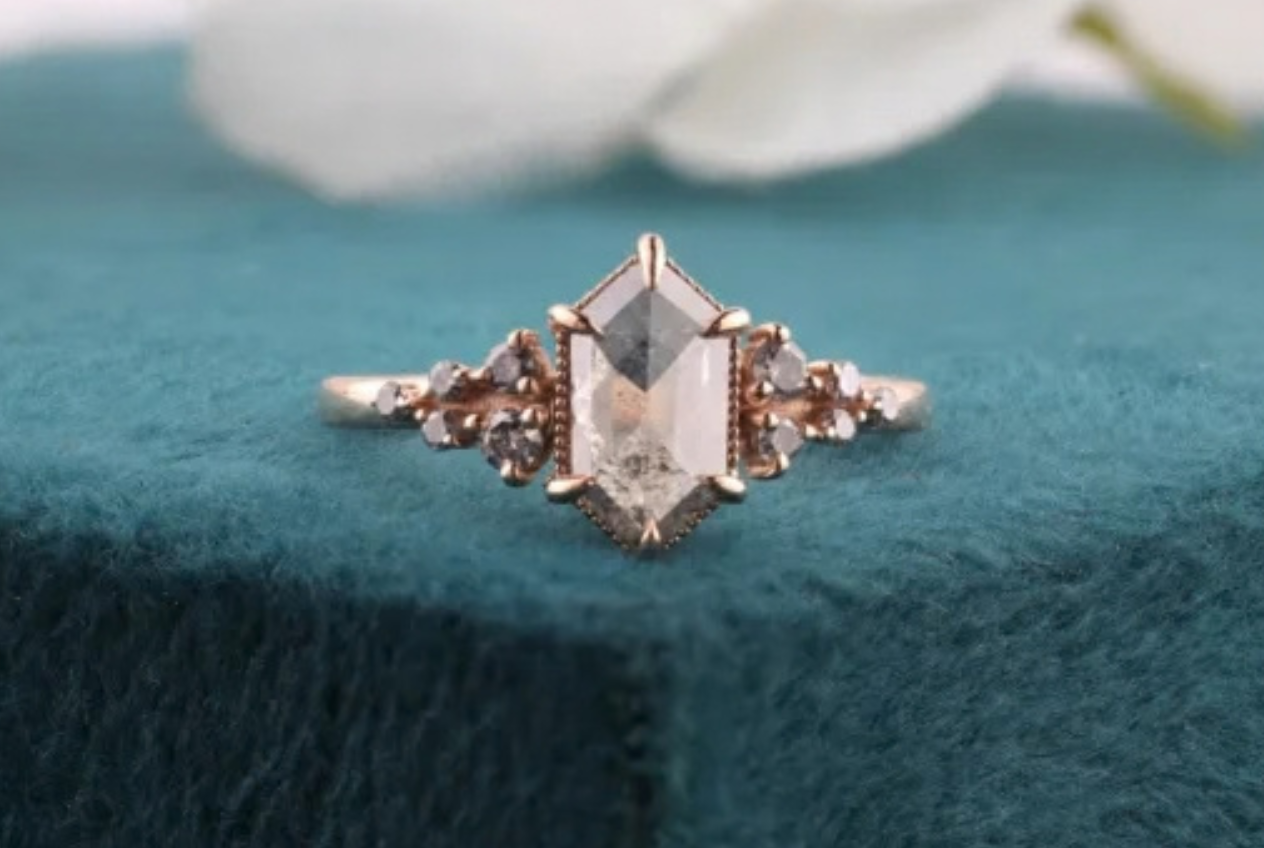
Hex Halo Ring
Hexagon cut, icy salt-forward pattern
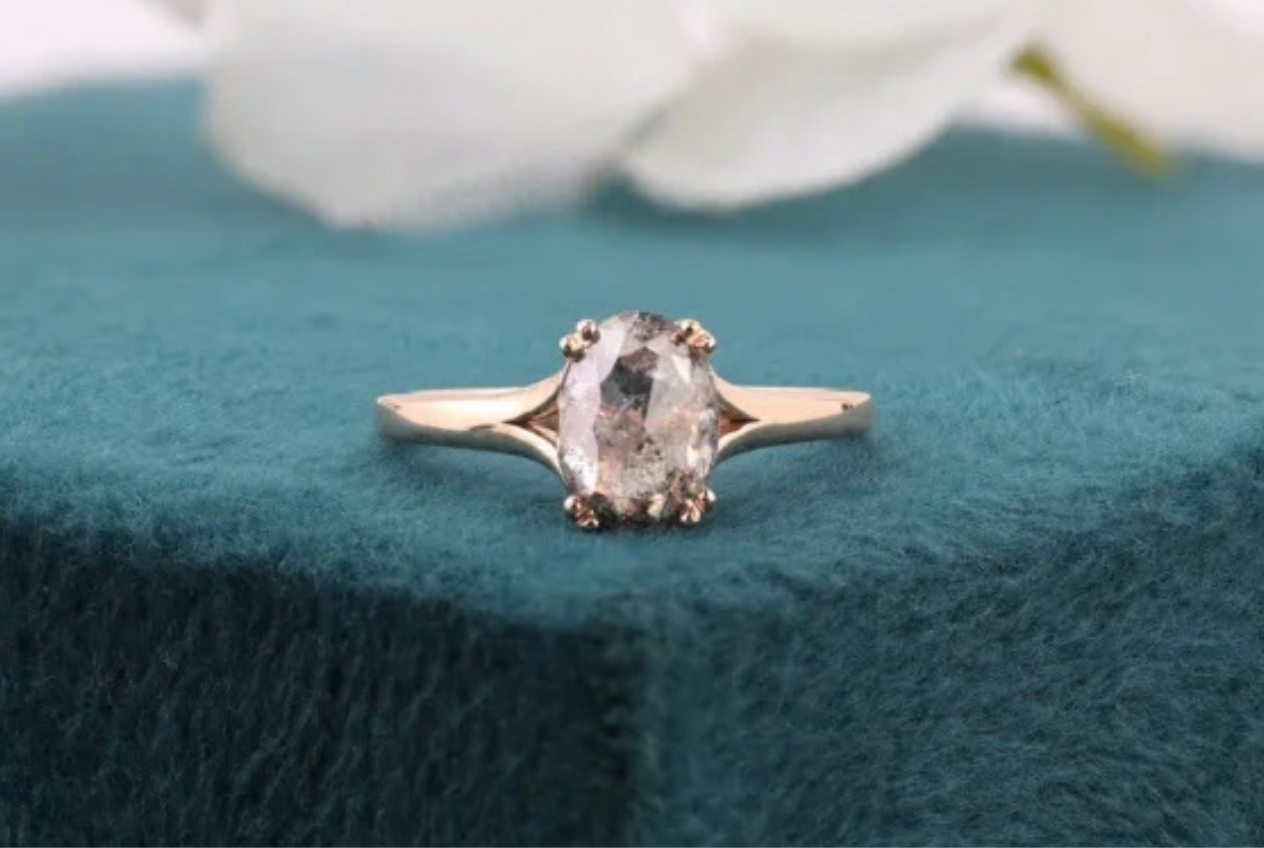
Oval Pave Ring
Oval cut, balanced grey diamond tone
The Short Version
A salt and pepper diamond is a real, natural diamond with visible inclusions that create a speckled, one-of-a-kind pattern instead of a clear, uniform look. Couples choose them for the individuality, the value per carat, and the symbolism of a stone that wears its history in plain sight. If a flawless white diamond has never quite felt like “you,” this might be the stone that does.
Ready to see the range of patterns for yourself?